What it is
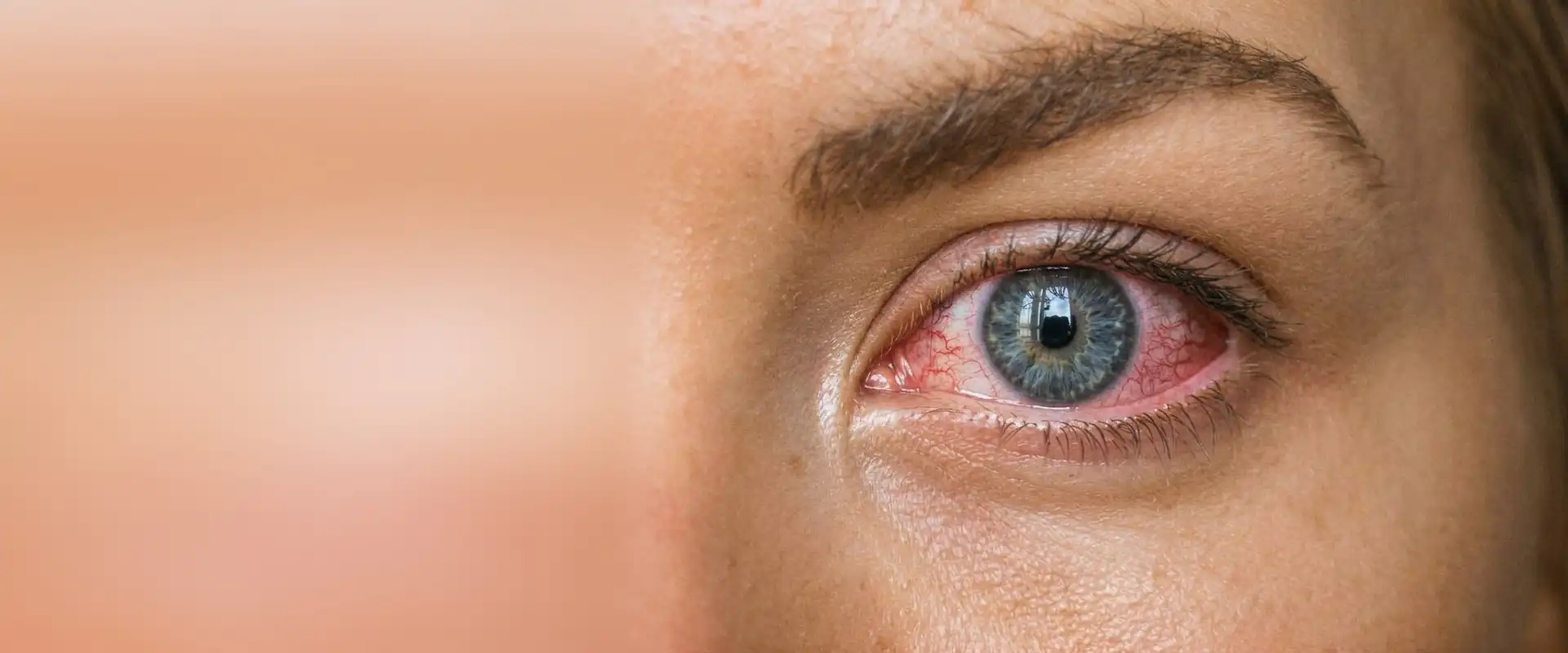
The conjunctiva is the thin, clear layer that covers the white of the eye and the inside of the eyelids. When it becomes inflamed, its tiny blood vessels fill up and the eye goes red. That is conjunctivitis.
It is one of the most common reasons people go to an ophthalmologist on their own initiative. The good news: it rarely leaves any lasting effect on your sight. The bad news: the infectious form passes easily from one person to another and can keep you off work or school for several days.
Viral, bacterial or allergic
Viral
This is the most common type in adults. It usually starts in one eye and moves to the other a few days later. The eye waters a lot, stings, feels gritty, and sometimes a gland in front of the ear swells up. It can come with a cold.
It clears up on its own, although it can take one or two weeks, and sometimes it gets worse before it gets better. The most common virus survives for a long time on towels, door handles and tables, which is why it spreads so much in homes, schools and offices.
Bacterial
The typical sign here is thick, yellowish or greenish discharge that glues the lashes together when you wake up. It is more common in children. Mild cases also tend to clear up on their own; antibiotic eye drops shorten the discomfort and the contagious period by a few days.
Allergic
The main symptom is itching. It affects both eyes at once, often comes with sneezing or a runny nose, and gets worse in spring or with dust, pet hair or dust mites. It is not contagious.
Other causes
Conjunctivitis can also be caused by irritating products, contact lens wear, some eye drops or cosmetics, sexually transmitted infections, or be linked to skin or immune system conditions. These are less common, and nearly all of them need someone to examine the eye to tell them apart.
When it is not just conjunctivitis
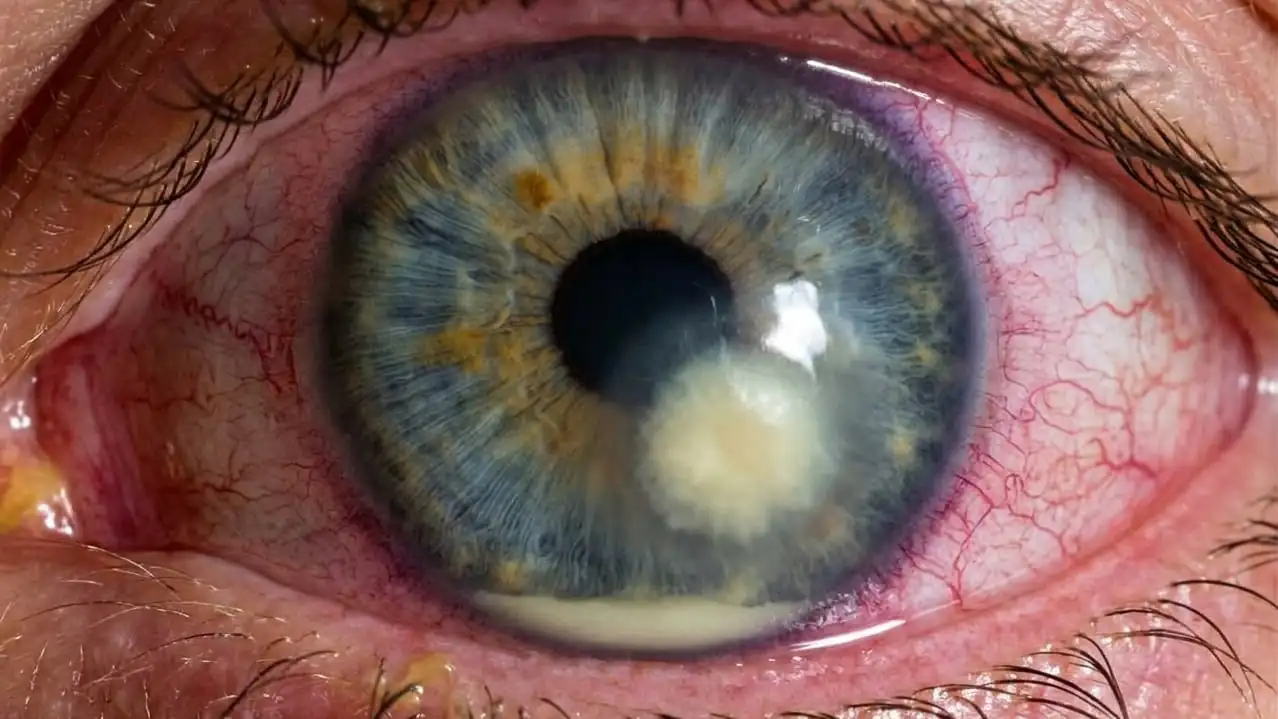
Conjunctivitis is uncomfortable, but it does not usually cause real pain or take away your sight. If any of the following happens, it may be something else: an infection of the cornea, inflammation inside the eye or acute glaucoma, for example.
Ask to be seen by an ophthalmologist the same day if:
- The eye hurts, rather than just stinging or itching.
- Your vision is blurred and does not clear when you blink.
- Light bothers you a lot.
- You wear contact lenses and your eye is red.
- It is a baby just a few weeks old with a red or sticky eye.
- There is a great deal of pus and it comes back as soon as you wipe it away.
- Something has flown into your eye, or a chemical has got into it.
- It has not improved after a week, or only one eye has been affected for a long time.
Treatment
Viral
There is no eye drop that kills the virus, and antibiotics do nothing to it. What helps is relief: artificial tears, preservative-free if possible, and cold compresses over your closed eyelids. If after a few days your vision seems more blurred, come back to the clinic: sometimes the virus leaves small spots on the cornea that can be treated.
Bacterial
In mild cases you can wait, or use antibiotic eye drops for a few days. If there is a lot of pus, pain or the eye is very inflamed, it needs to be examined, and sometimes a sample is taken before choosing the treatment.
Allergic
The first thing is not to rub, however much it itches: rubbing releases more of the substances that cause itching. Cold helps, and so do chilled artificial tears and sunglasses when you are outdoors. Antihistamine eye drops work well. Drops that only make the eye whiter should not be used every day, because when you stop them the redness comes back stronger.
No steroid eye drops unless your eye has been examined
It is tempting to use those drops left over from last time. If they contain a steroid, they can make viral conjunctivitis last longer, make a herpes infection much worse and, used for weeks, raise the pressure in the eye or encourage cataract. Steroids have their place, but they should be prescribed after an examination and with follow-up.
How to avoid passing it on
Infectious conjunctivitis spreads mainly through the hands: you touch your eye, you touch a door handle, someone else touches the handle and then their own eye. Breaking that chain is in your hands, quite literally.
- Wash your hands with soap and water often, and always after touching your eyes or putting in drops. Hand sanitiser gel on its own is not enough.
- Use your own towel and your own pillow, and wash them often.
- Wipe away discharge with gauze or a disposable tissue, from the inside corner outwards, and throw it away.
- Do not share eye drops, eye make-up or glasses. Throw away any make-up you have used over these days.
- Do not let the dropper touch your eye or lashes.
- Avoid close contact, shaking hands or kissing while the eye is still red and watering.
- Stay out of swimming pools until it has cleared up.
Going back to work or school
There is no single rule. It depends on the type of conjunctivitis, how severe it is, your age and the work you do.
- Viral: this is the most contagious type. It is usually considered contagious for at least a week from when it starts in the second eye, and some extend that to two. If you work with patients, in a nursery or with the public, take extra care and ask whether you should stay at home.
- Bacterial: with treatment, it stops being contagious sooner and children can go back to school earlier. Every school has its own rules; ask at yours.
- Allergic: it is not contagious, so there is no reason to stay off.
If you wear contact lenses
If your eye is red, take your contact lenses out and do not put them back in until it has cleared up and your ophthalmologist confirms it. Throw away the lenses you were wearing and the case. Wear glasses in the meantime.
A red eye in someone who wears contact lenses should not be treated as simple conjunctivitis. It could be an infection of the cornea, which moves fast and leaves a scar if it is not treated in time. That is why it appears in the list of warning signs above.
At other times the problem is the lens itself: the material, the fit, the hours of wear or the cleaning. If it happens to you often, it is worth having your lens fitting reviewed. Switching to daily disposable lenses or cutting down the hours usually helps.
Is your eye red and you are not sure whether it is something more?
Call and I will give you an appointment. Looking at the eye under the microscope shows straight away whether it is conjunctivitis or needs a different treatment.